If you are looking into saunas, you will quickly run into a fork in the road. Some are heated by a wood fire, and others run on electricity. Both get you hot, both make you sweat, and both deliver the benefits people come to a sauna for. The difference is in how they get there and how the experience feels. Here is a plain look at the two, so you can tell which one suits you.
The Basic Difference
The split comes down to the heat source. A wood-fired sauna uses a stove you load with split logs and light by hand. The fire heats a box of rocks and the air around it, the same way saunas have worked for centuries. An electric sauna uses a heater powered by electricity, with a panel of controls to set the temperature and turn it on and off.
Everything else, the wooden room, the benches, the rocks on top of the heater, stays largely the same. What changes is the fuel and the feel that comes with it.
How Wood-Fired Saunas Feel
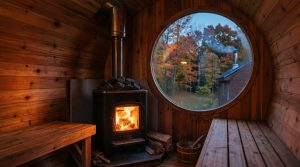
A wood-fired sauna is the traditional choice, and it brings an experience that fans hold dear. There is the crackle of the fire, the smell of burning wood, and a heat that many describe as softer and deeper than what an electric heater puts out. For a lot of people, the ritual of building and tending the fire is part of the draw.
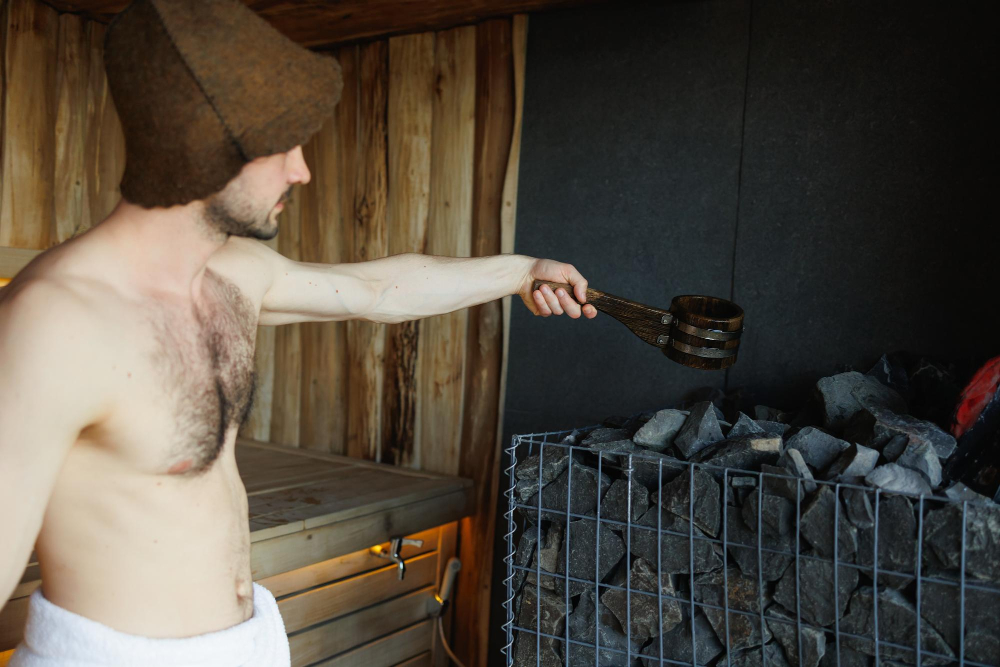
The heat itself tends to feel rounder and more natural. Wood-fired stoves hold a lot of warmth in their rocks, which makes for steam that feels rich when you ladle water over them. If you are after the old-world sauna experience, the wood-fired version is hard to beat.
The trade-off is time and effort. A wood fire needs to be built and lit, and it takes a while to bring the room up to temperature. You also tend to feed it a log now and then to keep it going. For many, that is part of the charm. For others, it is a chore.
How Electric Saunas Work
An electric sauna trades the ritual for convenience. You flip a switch or tap a control, set your temperature, and wait for it to heat up. There is no fire to build, no wood to haul, and no ash to clean out afterward. For a sauna you use often and want ready on short notice, that ease is a real draw.
Electric heat is steady and easy to dial in. You can hold a set temperature without tending anything, which suits people who want a no-fuss session. Some say the heat feels a touch drier or sharper than wood-fired heat, though pouring water over the rocks still gives you good steam.
The downsides are mostly about feel and power. An electric sauna needs a proper electrical hookup, which can limit where it goes, and it misses the fire, the wood smell, and the ritual that wood-fired fans love.
Heat Quality & the Overall Experience
Ask a wood-fired loyalist and an electric owner to describe their sauna, and you will hear two different stories. The wood-fired crowd talks about atmosphere, the fire, and a heat that feels alive. The electric crowd talks about ease, control, and being able to sauna any time with no setup.
Neither is wrong. The heat from both will warm you, make you sweat, and give you the session you came for. The choice is really about which experience you want and how much effort you are happy to put in to get it.
What This Means for a Mobile Sauna
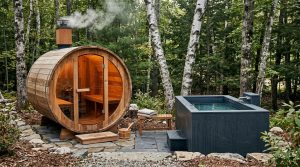
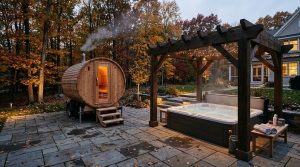
Mobile saunas lean toward wood-fired heat for good reason. A wood stove does not need an electrical hookup, so the sauna can set up almost anywhere, from a backyard to an event lot to a spot with no power nearby. That freedom is a big part of what makes a mobile sauna so flexible.
Wood-fired heat also fits the experience people want from a mobile session. Booking a sauna for a backyard gathering or a recovery day is meant to feel like a treat, and the fire, the smell, and the deep heat lean right into that. In Connecticut, The Toasty Gnome runs a wood-fired mobile sauna with an optional cold plunge, bringing the traditional experience to your door across the greater Plainville area.
The Takeaway
Both wood-fired and electric saunas do the job, so there is no single right answer. If you want convenience and a sauna ready at the flip of a switch, electric makes sense for a fixed spot at home. If you want the ritual, the atmosphere, and a heat that feels traditional, wood-fired is the way, and it is the natural fit for a mobile setup that goes wherever you do.
Knowing the difference helps you pick the experience you are actually after. Once you have felt both, you will know which one feels like your kind of sauna.