Crossing the finish line is the high point of any race. What comes after is the part that decides how the next few days feel. Sore legs, tight hips, and that bone-deep tiredness can stick around long after the medal is hung up. More runners, cyclists, and weekend racers in Connecticut are turning to a sauna session to take the edge off, and they are booking it right around their events.
Here is why a sauna after a race has caught on, and how athletes are working it into their event day.
The Problem With Race-Day Recovery
A hard race leaves your body asking for help. Muscles are worked, you are low on fluids, and the adrenaline that carried you through fades into stiffness. Most people head home, sit down, and feel it set in over the next day or two.
The old routine of a quick stretch and a protein shake helps, but it leaves a lot on the table. Athletes who want to bounce back faster are looking for something more, especially when they have another race or a hard training block coming up soon.
Why a Sauna Fits the Moment
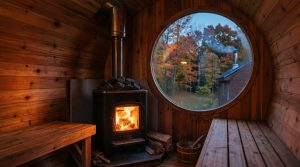
Heat gets blood moving. After a race, that matters, because fresh blood carries what tired muscles need to start repairing and clears out what builds up during hard effort. A warm session also relaxes the muscles and the tissue around your joints, which helps with the stiffness that shows up once you stop moving.
There is a mental side too. A race takes focus and nerve, and the comedown can leave you wired or flat. Sitting in the heat gives you a quiet moment to let the day settle. Many athletes describe stepping out feeling calmer and looser than when they went in.
Adding the Cold Plunge
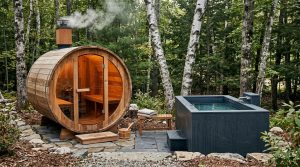
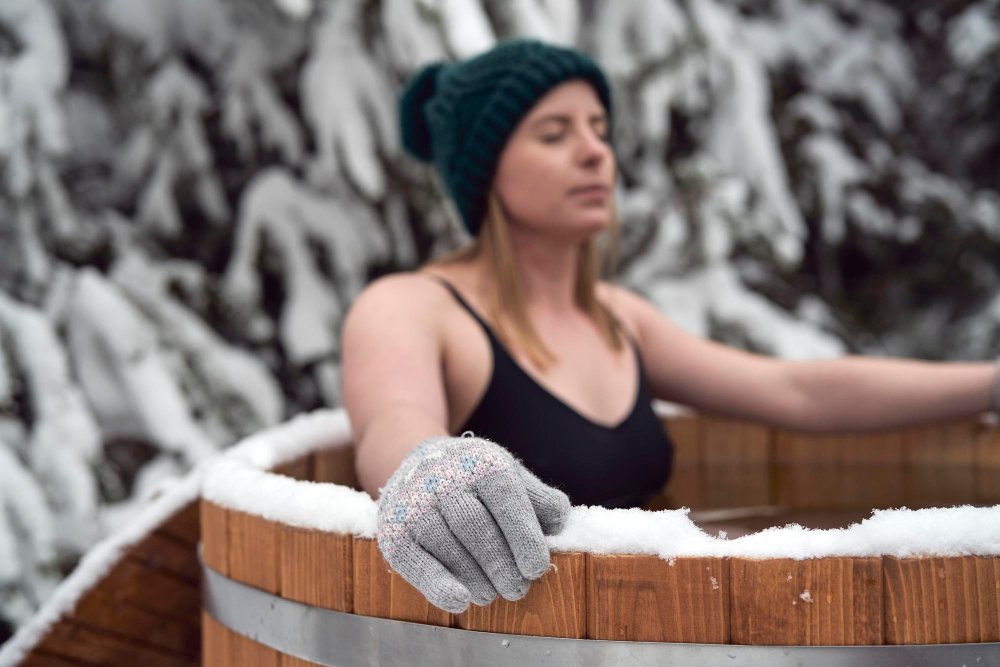
The cold plunge is a natural partner to the sauna for recovery. Cold water helps calm the swelling that follows hard effort, and going from hot to cold and back works your circulation. For a lot of racers, the contrast is the part that makes their legs feel ready sooner. A short dip is all it takes.
How Athletes Are Booking It
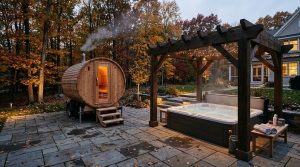
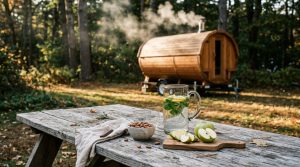
The mobile part is what makes this work for race day. Instead of driving home and hoping to recover on the couch, athletes are bringing the sauna to where the event happens.
After a Local Race
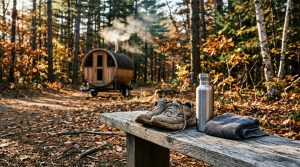
Connecticut has a busy calendar of road races, trail runs, and cycling events. Booking a sauna for the hours after one gives you and your group a place to recover together while the event buzz is still going. A provider like The Toasty Gnome delivers the unit and sets it up, so it is ready when you finish.
For a Team or Running Group
Recovery is better shared. Running clubs, cycling groups, and race teams book a sauna so the whole group can cycle through after an event. It turns the recovery into part of the celebration, and everyone walks away in better shape for the week ahead.
On a Recovery Day
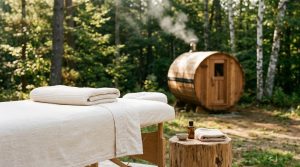
Not every session has to be race day itself. Many athletes book a weekend rental for the day after a big event, giving themselves unhurried sauna time to work through the soreness on their own schedule, morning or night.
Getting the Most Out of It
A few simple habits help. Rehydrate before and during your session, since you are already low on fluids after a race. Keep early sessions on the shorter side and listen to your body, especially when you are tired and depleted. And pair the heat with the cold plunge if you want the full recovery cycle.
If you have a heart condition or any health concern, check with a doctor before adding heat and cold to your routine, especially right after hard effort.
When to Book Your Session
Timing makes a difference for race-day recovery. A session in the hours right after you finish helps you work through the first wave of stiffness while everything is still loose from the effort. If that is not an option, the next morning works well too, since that is when soreness tends to peak.
For a goal race that wraps a long training block, some athletes plan a full recovery weekend around it. They book the sauna for the day after, take it slow, and use the time to reset before easing back into training. The point is to give your body real attention instead of jumping straight back into the grind, which is how a lot of nagging issues start.
If you race often through a season, a regular sauna habit can become part of your routine rather than a one-off. Working it in after your harder events keeps the recovery consistent, which is where the real payoff shows up over a full season.
Booking Your Connecticut Recovery Session
Setting up a post-race sauna is simple. Pick your date around your event, choose your spot, and reach out with the details. The Toasty Gnome serves the greater Plainville area in Connecticut and brings the sauna and optional cold plunge to you, so recovery starts the moment you stop running.
A race is the reward for months of work. Giving your body a real recovery afterward helps you enjoy the finish and get back to training sooner. Book a session around your next event and feel the difference in the days that follow.