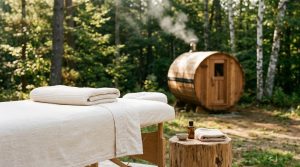
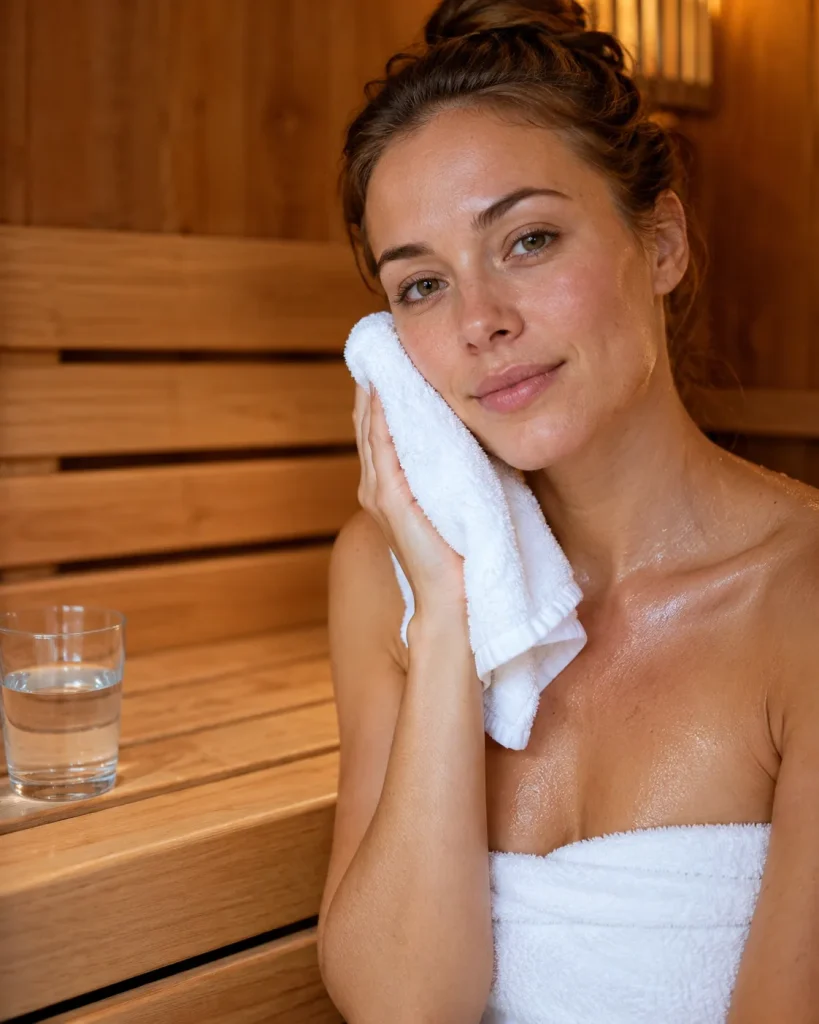
Search this subject and you will be told that heat opens your pores, flushes toxins, and boosts collagen. Two of those are wrong and the third is unsupported.
What heat actually does to skin is narrower than the marketing suggests, reasonably well documented in one place, and comes with a set of cautions that most benefit lists leave until the very bottom. Here is the accurate version.
The Glow Is Real, and It Fades
The flushed, even look after a session is not imagination. Heat widens the blood vessels near the surface of your skin, which brings more blood to the face and softens the appearance of dullness.
It is also temporary. That is vasodilation, not a change in your skin. It looks good for a while and then your circulation returns to normal. Worth having, not worth confusing with a treatment.
Pores Do Not Open and Close
This is the most repeated claim in the entire subject and it is simply not how skin works. Pores are openings. They have no muscle around them and no mechanism for opening or shutting.
What heat and sweat genuinely do is soften the mixture of oil, dead skin cells, and debris sitting in and around those openings, which makes it easier to remove when you cleanse. That is a real effect and it explains why skin can feel smoother afterward.
The distinction matters practically. If pores opened, you would want to do things while they were open. Since they do not, what matters is what is sitting on your face when you start sweating, and what you do with it afterward. Which brings us to the part almost nobody covers.
What You Put On Before Matters More Than After
The most common way a sauna causes a breakout is this: you go in wearing makeup, sunscreen, or a heavy moisturizer, you sweat heavily, and that mixture of product, oil, and sweat sits on softened skin for twenty minutes.
Dermatologists point to sweat combined with oil and product residue as a reliable setup for congestion, especially along the hairline, jaw, chest, and back.
So the fix is boring and it works. Cleanse before you go in, not only after. Skip heavy occlusive balms and thick creams beforehand. Tie your hair back so hair products are not running down your face.
What the Research Actually Found
There is one properly controlled study worth knowing about here. Published in 2008, it looked at regular sauna use and found improvements in epidermal barrier function and in the ability of the outer skin layer to hold water, along with a more balanced surface pH and a reduction in casual sebum production.
That is a genuine and useful finding. It also describes a modest, cosmetic effect that builds with regular use rather than a dramatic one. Older work on the sauna and skin conditions found that heat helps loosen the thickened scale in psoriasis, and that using emollients alongside sauna sessions improved the result further.
That is close to the whole reliable picture. Everything beyond it should be treated with more caution than the internet applies.
The Claims That Do Not Hold Up
Sweating does not detoxify your skin. Sweat is roughly ninety nine percent water. Your liver and kidneys filter your blood, and they do it regardless of how much you sweat. Rinsing oil and debris off the surface is worth doing. It is not detoxification and calling it that does not make it more effective.
Heat does not meaningfully build collagen. You will see this claimed frequently, sometimes with citations that do not lead anywhere. The stronger evidence for skin firmness sits in red light research, not in sauna heat, and a sauna is not a wrinkle treatment.
There is also no good evidence that sauna use addresses pigmentation or age spots. If that is your concern, a dermatologist has actual tools for it.
Rosacea Deserves a Warning, Not a Footnote
If you have rosacea, this section matters more than everything above it.
Heat is one of the primary triggers for rosacea flares. The condition involves blood vessel abnormalities, and a sauna does precisely the thing that aggravates them, which is widening those vessels and driving blood to the face. Dermatologists note that repeated flushing contributes to visible broken capillaries, which do not resolve on their own and generally need in office laser treatment.
A hot traditional sauna is a poor fit for rosacea prone skin. Lower temperature heat for short sessions is tolerated by some people, but this is a case for talking to a dermatologist first rather than experimenting and hoping.
Eczema: Not During a Flare
Eczema is more mixed. Some people with well controlled eczema find regular heat sessions fine or even helpful, partly because stress is a common trigger and a sauna reduces it.
During an active flare, though, heat and sweating can sharply worsen inflammation and itch, and sweat itself carries trace irritants that make things worse the longer it sits. If your skin is flaring, skip it. If it is settled, keep sessions short, rinse straight afterward with lukewarm water, and moisturize while your skin is still slightly damp.
Acne
The relationship here is genuinely two sided.
On the useful side, softened sebum comes away more easily when you cleanse, and the reduction in casual oil production found in that 2008 study points the right direction. Stress is also a well known acne trigger and heat sessions reliably reduce it.
On the unhelpful side, everything in the before-and-after section above applies double. Sweat sitting on skin under makeup is a breakout waiting to happen, and over cleansing afterward on sensitized skin makes matters worse rather than better.
Cleanse before, rinse with lukewarm water after, apply something light and non comedogenic, and leave it alone.
The Drying Problem Nobody Reconciles
You will read that saunas hydrate your skin. You will also read that they dry it out. Both are being described badly.
Heavy sweating in dry heat pulls water out of the outer layer of skin, which is why your face can feel tight afterward. The barrier improvement found in the research is about how well your skin holds water over time with regular use, which is a different thing from how your skin feels twenty minutes after a hot session.
The practical answer is to rehydrate internally and moisturize while your skin is still damp. If your skin runs dry to begin with, shorter sessions will serve you better than long ones.
A Routine That Works
- Cleanse your face before the session. Remove makeup and sunscreen properly.
- Skip heavy creams and balms beforehand, and tie your hair back.
- Keep sessions moderate. Fifteen to twenty minutes is plenty for skin purposes.
- Do not touch or rub your face during the session.
- Rinse with lukewarm water afterward, not hot and not freezing.
- Moisturize while your skin is still slightly damp.
- Drink water. Skin dryness after a session is usually fluid loss.
- Give it several weeks. The barrier effects come from regular use, not one visit.
When to Skip It Entirely
- During an active eczema or psoriasis flare with broken skin.
- With sunburn or recently sun exposed skin.
- After laser treatments, chemical peels, or microneedling, until your provider clears you.
- With open wounds, fresh tattoos, or active skin infections.
- While taking medication that increases heat or light sensitivity.
- If you have rosacea, until you have spoken to a dermatologist.
The Honest Summary
A sauna gives you a temporary glow, softens what is sitting in your pores so cleansing works better, and with regular use appears to modestly improve how well your skin barrier holds water. That is a reasonable set of benefits.
It does not open pores, detoxify anything, or build collagen. And if you have rosacea, it may cost you more than it gives.