There is no single best time of day to use a sauna. The right time depends on what you want out of the session. A morning sit wakes the body up and sharpens focus. An evening sit helps you slow down and sleep. A session around training supports recovery. The rule that beats all of the timing advice is consistency, because the gains come from regular use, not from the clock on the wall.
If you want the short version, match the slot to the goal:
| Your goal | Best time to go |
| Energy and focus | Morning |
| Muscle recovery | Around training |
| Stress relief | Evening |
| Better sleep | Evening, 1 to 2 hours before bed |
| Midday slump | Afternoon |
| Building the habit | Any time you can repeat |
Using a sauna in the morning
A morning session works like a gentle start for the body. Heat widens the blood vessels and gets blood moving, so you step out awake and loose instead of groggy. People who train early often take a short sit to warm up stiff muscles before they move.
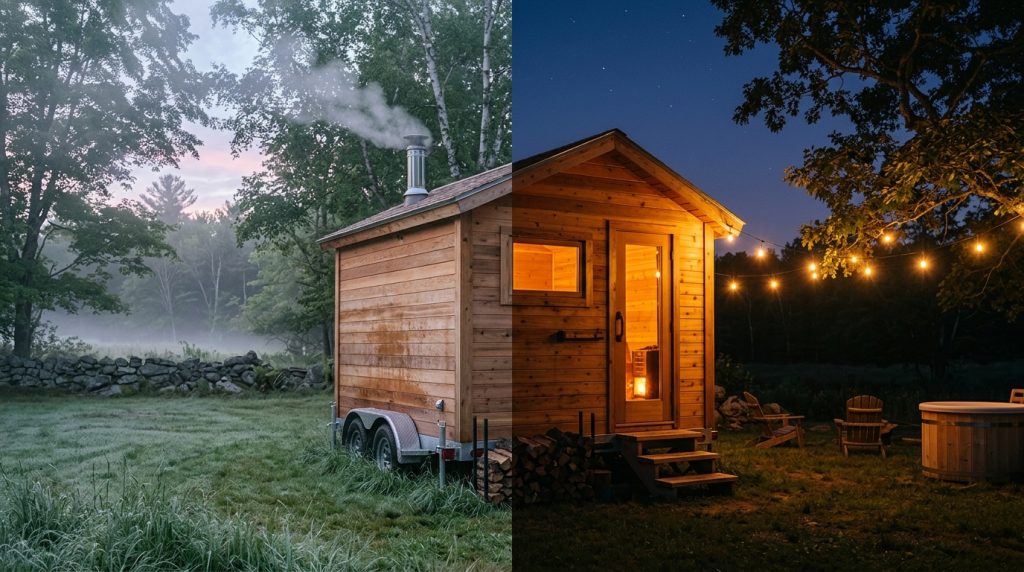
Keep mornings on the shorter side, around 10 to 15 minutes, since the point is to feel switched on and not worn out before the day starts. A cool rinse afterward adds to the effect and leaves you alert. Drink a glass of water first, because the body runs low on fluid overnight. In a New England winter there is a second reason that has nothing to do with wellness claims: it is a warm place to start a cold day. For the heat you actually want on the benches, see our sauna temperature guide.
The afternoon reset
The afternoon slump is real, and a short session is a steadier fix than another coffee. A sit in the early to mid afternoon lifts circulation and loosens the shoulders and neck that stiffen up over a day at a desk. Energy comes back without the jittery edge that caffeine can bring.
Fifteen minutes is plenty here. Any longer and you risk feeling drained for the rest of the day rather than refreshed. This slot suits people who work from home or set their own hours, since it drops into the middle of the day without eating into morning or evening plans. It is also the slot two of the three top-ranking guides skip, so it is worth getting right.
Using a sauna in the evening
Evening is the most popular time, and for good reason. The sleep effect is the one timing benefit with solid research behind it. When you sit in the heat your core temperature climbs, and once you come out it falls again. That drop is one of the signals the body uses to start winding down. A 2019 review in Sleep Medicine Reviews found that warming the body before bed helped people fall asleep faster and rest more deeply.
The timing that works is a session about one to two hours before bed, long enough for the body to cool back down. Sitting too close to lights-out can leave you too wired to drop off. Keep it to 15 to 20 minutes and finish with a lukewarm or cool rinse to help the cool-down along. Stand up slowly when you are done, because blood pressure can dip for a short window after heat and that is the moment people feel lightheaded. If you take blood pressure medication or have a heart condition, read our note on saunas and blood pressure before making evening heat a habit.
Timing a session around a workout
If recovery is the point, the time on the clock matters less than where the session sits around your training. Heat after a hard session helps tired muscles relax and keeps blood flowing to them. A short sit before light training can loosen you up, though it is not the moment for a long, draining session.
This has real trade-offs, so rather than repeat them here, see sauna before or after a workout for heat timing and sauna for muscle recovery for the athlete side.
Where a cold plunge fits
Plenty of people pair heat with cold, and the time of day changes what the cold does for you. A cold plunge in the morning tends to leave people sharp and wide awake, which makes it a strong match for an early session. Later in the day, some people would rather end warm, since a hard cold hit in the evening can leave you too alert to settle.
How cold, how long, and in what order is its own question, so see our contrast therapy guide and the rundown of sauna and cold plunge benefits before you build the cold into your routine.
Wood-fired heat and the clock
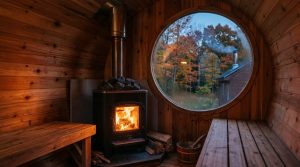
A wood-fired sauna is not an on switch. The fire needs time to bring the room and the stones up to heat, so a wood-fired session asks for a little planning that an electric cabin at home does not. Build that warm-up time into whatever slot you pick, and give yourself extra first thing in the morning when you are working against the cold.
Once the room is ready, session length follows the same rules at any hour. For how long a single sit should run and how to break it into rounds, see how long to stay in a sauna.
How much the clock actually matters
It is easy to overthink the timing. The research that points to lasting benefits from sauna use is built on regular sessions over months and years, not on a magic hour. A long-running line of cardiovascular research on frequent sauna bathing links regular use to better heart health, and the thread running through it is frequency, not time of day.
So the honest answer is to pick the slot you can keep. A session you take four times a week at a plain, convenient hour does far more than a better-timed one you skip because it never fit your day. For how often to go, see how often should you sauna.
Choosing a time when you rent
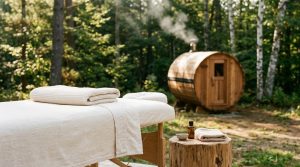
Owning a sauna ties your timing to one spot in one backyard. Renting flips that. A mobile unit comes to you, so you can set the session for the slot that fits the goal or the event: a morning before a race, an afternoon for a team, or an evening before guests head home.
There is a quieter benefit too. A common complaint about gym saunas is the crowd and the wait, which is why so many people online ask when to go to get the room to themselves. A private unit removes the question, since the only schedule is yours. If you are weighing when to book, start with the goal and work back to the hour. You can see available dates or compare rental packages and pick the slot that matches what you want out of the heat.
The best time is the one you will keep
Match the slot to the goal and the rest takes care of itself. Mornings wake you up, afternoons reset you, evenings wind you down, and sessions around training help you recover. Beyond that, the clock is a detail. The time of day that gives you the most is the one you will come back to, week after week.