Two quite different practices share this name, and almost nobody separates them.
The first is contrast bath therapy, a physical therapy technique that has been used for decades. You put a limb in hot water, then in cold water, and alternate. It is used for hand and foot injuries, swelling, and stiffness, and there is a body of clinical research behind it.
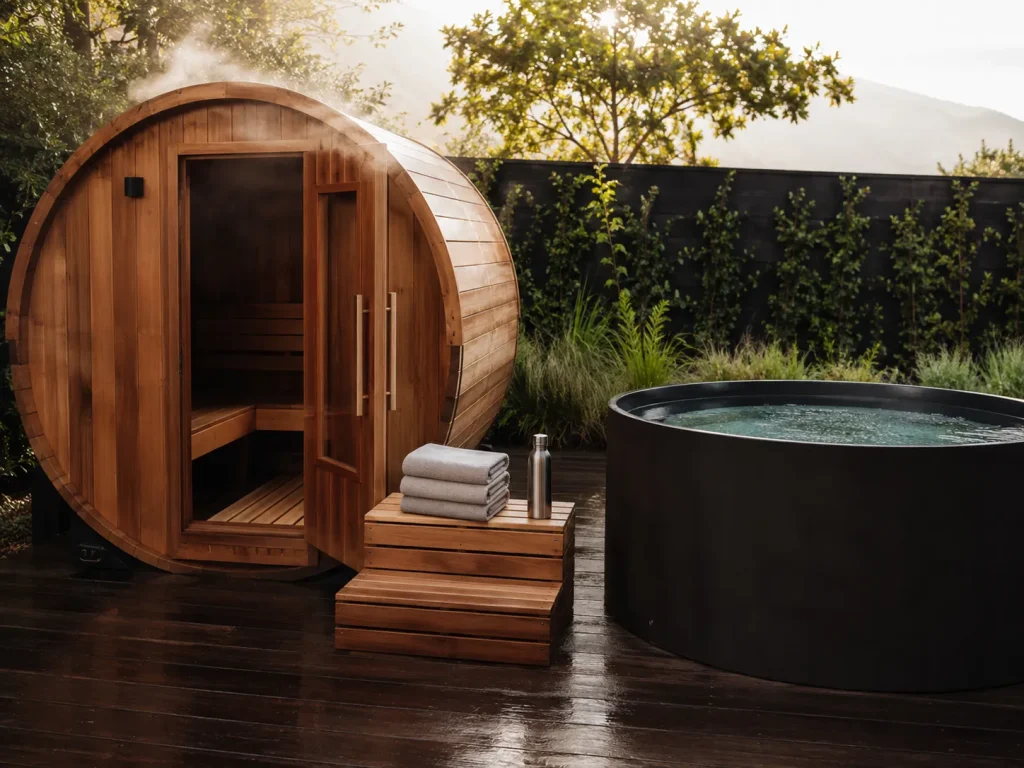
The second is what most people now mean: a sauna followed by a cold plunge, whole body, usually as part of a recovery or wellness routine.
Those are not the same exposure, and the research that gets quoted for the second was mostly done on the first. That distinction is the most useful thing on this page.
What contrast bath therapy actually is
The clinical version is narrow and specific. A limb is immersed in warm water, then in cold water, in a repeating ratio, for a total of 20 to 30 minutes.
It comes out of hand therapy and rehabilitation, where it is used for subacute injuries, swelling that has passed the acute stage, and joint stiffness. It is cheap, low-risk, and easy to administer, which is part of why it has stayed in use.
The important part is that it is local. One limb, in water, with the rest of the body at normal temperature. Core temperature barely moves.
What people mean when they say it now
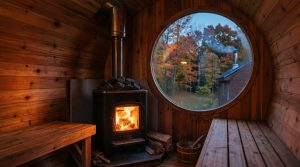
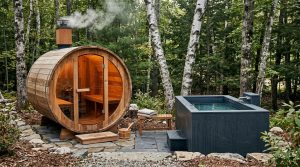
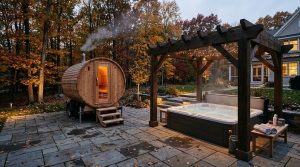
The version that has taken over the term is whole-body: a sauna round, then a cold plunge, repeated two or three times.
Core temperature rises meaningfully, then drops. Blood pressure falls in the heat and spikes in the cold. Heart rate swings in both directions. Your entire cardiovascular system is doing something significant, not just the blood vessels in one calf.
Those are different physiological events. The whole-body version is closer to an exercise stimulus than to a physical therapy treatment, and it carries a risk profile the limb version simply does not have.
Where the term came from
The confusion is recent, and it is worth knowing how it happened.
Contrast bath therapy has been in physical therapy textbooks for the better part of a century. The term meant one thing to clinicians and almost nothing to the general public.
Then sauna and cold plunge culture arrived, wellness studios needed a name for the hot and cold cycle they were selling, and contrast therapy was sitting there sounding clinical and established. The name migrated onto a different practice, bringing an evidence base with it that was never about that practice.
Search results still show the split clearly. Half the pages ranking for the term are about a limb in two buckets of water, and half are about a sauna and a plunge pool. Nobody flags that they are describing different things.
Why the distinction matters
When a sauna studio or a recovery brand cites research supporting contrast therapy, check what was studied.
A great deal of that literature is contrast baths on limbs, measured for effects on tissue perfusion, swelling and soreness after exercise. That work is real, it is reasonably positive, and it does not automatically tell you what happens when a whole person alternates between 85 degree air and 10 degree water.
The whole-body version has far less direct research behind it than the confidence of the marketing suggests. Some of what is claimed is a reasonable extrapolation. Some of it is borrowed.
That is not a reason to avoid it. It is a reason to hold the claims loosely.
What the research does support
The clearest finding is on delayed onset muscle soreness. Contrast water therapy reduces post-exercise soreness compared with doing nothing, and performs about as well as cold water immersion or active recovery rather than better.
So the honest summary is that it works, and that it does not obviously beat the alternatives. If you enjoy it, that is a genuine advantage, because a recovery method you actually use beats a superior one you skip.
Perceived recovery is the other consistent finding. People report feeling better afterward, and that shows up reliably enough that it is worth taking seriously rather than dismissing as placebo. Feeling recovered affects how you train tomorrow.
The vascular pump idea
The standard explanation is that alternating heat and cold makes blood vessels dilate and constrict in turn, producing a pumping action that moves fluid and improves circulation in the tissue.
There is measurement work supporting the underlying effect. Studies using near-infrared spectroscopy to watch blood volume and oxygenation in muscle during contrast baths have found real, transient changes in tissue hemodynamics.
Two things to keep in perspective. Those studies are small, often ten to twenty participants, and they measure a limb. And demonstrating that blood flow changes is not the same as demonstrating that the change produces a clinical benefit. The mechanism is plausible and partially measured. The outcome is a separate question.
The whole-body version brings a risk the limb version does not
This is the part that gets left out of almost every article on the topic.
Putting your hand in cold water is safe for essentially everyone. Getting into a cold plunge after a sauna is not.
Blood pressure drops during the heat and then spikes sharply on cold immersion. Cold shock produces an involuntary gasp and a surge in heart rate. For a healthy person these pass. For someone with cardiovascular disease, uncontrolled hypertension, or an arrhythmia, this is the riskiest thing in the whole wellness category.
There is more on what heat does to blood pressure, and both halves are worth reading before starting rather than after.
Who should not do it
The cold half drives most of the contraindications.
Anyone with heart disease, uncontrolled blood pressure, a known arrhythmia, or a history of cardiac events should discuss it with a cardiologist before starting, not after.
Raynaud’s, cold urticaria, cryoglobulinemia and similar cold-triggered conditions rule out the cold half specifically. Pregnancy, peripheral neuropathy, and impaired sensation are all reasons to be cautious, the last because you cannot judge cold you cannot feel.
Never do the cold half alone if you are new to it. The gasp reflex in water is a drowning risk, not a theoretical one. The heat side has its own list.
When to do it
The general answer is after training rather than before, since the heat is a stressor and you want the work done first.
There is one exception worth knowing. If your goal is building muscle, cold water immersion straight after resistance training appears to blunt the adaptation you just trained for. The evidence for that is reasonably solid and it applies to the cold half specifically, not the heat.
The practical fix is to separate them. Do the cold hours later, or on a rest day, or skip the cold on lifting days and keep the sauna. Timing around a workout is a bigger lever than most people realize.
A workable protocol
If you are starting from nothing, the structure matters more than the exact numbers.
A round in the heat, a short spell in the cold, a rest, then repeat two or three times. Finish on whichever suits your goal, since finishing cold is stimulating and finishing warm is better for sleep.
The numbers themselves are covered properly in the guidance on how cold, how long, and how to get out safely. The short version is that colder is not more effective, it is just harder, and the shorter tolerance it forces may reduce total exposure.
Enter the cold controlled, breathe out as you go in, and do not hold your breath. Get out early rather than proving something.
Sauna temperature matters less than people assume, and the bench you sit on changes it more than the dial does.
The bottom line
Contrast therapy means two things. The clinical version is a limb in alternating water and has decades of physical therapy behind it. The popular version is a whole-body sauna and plunge cycle with far less direct evidence.
Both reduce post-exercise soreness compared with doing nothing, and neither clearly beats the alternatives.
The whole-body version carries cardiovascular risk that the limb version does not, and the cold half is where almost all of that risk sits.
If you are building it into a routine, frequency matters more than intensity, and a private setup makes the sequencing far easier than working around a shared facility.